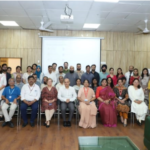

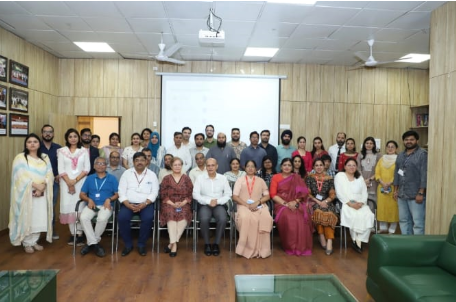
Jammu witnessed an essential initiative on October 7 and 8, 2026, as the Government Medical College (GMC) Jammu, in collaboration with the Indian Council of Medical Research (ICMR), conducted a two-day workshop. This event focused on developing strategies for the prevention and screening of various cancers, specifically targeting breast, oral, cervical, and gastric cancers across Jammu & Kashmir and Ladakh.
Senior officials, medical experts, researchers, and program officers united with a shared goal: to enhance cancer detection and management in these regions. Recognizing an increase in cancer prevalence, especially breast cancer, this workshop responded to the urgent need for effective healthcare services.
Identifying Challenges and Local Needs
The workshop sought to bridge the gaps in cancer care through practical, evidence-based strategies. A critical emphasis came from Dr. Ashutosh Gupta, Principal of GMC Jammu, alongside Dr. Jyotsna Suri, HOD Pathology and Nodal Officer of the Multi-Disciplinary Research Unit. They stressed the importance of designing interventions tailored to local contexts.
Moreover, discussions led by the ICMR team, including Dr. Nisha Jose and Dr. Bhawana Sirohi, revolved around the practical issues of executing health interventions in multi-faceted scenarios.

Dr. Pulkit Verma, a program officer at ICMR, conducted a session on the significance of data management. His insights into the RED Cap Platform underscored that rigorous data collection and monitoring systems are vital for evaluating healthcare initiatives.
Proposal for Enhanced Breast Cancer Survival
One important agenda item was drafting a proposal aimed at improving breast cancer survival rates in Jammu & Kashmir. This initiative targets obstacles in the breast cancer care pathway, including early detection, timely diagnosis, and treatment accessibility. Engaging stakeholders was pivotal in identifying where interventions could yield substantial improvements in patient outcomes.
Integrated Approach to Cancer Screening
Another significant focus revolved around an integrated strategy to prevent and screen major cancers. This approach aims to utilize existing health system resources effectively while enhancing population-level prevention efforts. Participants discussed methods for identifying high-risk individuals, bolstering screening services and establishing effective referral systems for further evaluations.
Fostering Collaboration Between Sectors
Hosting this workshop at GMC Jammu created an invaluable forum for dialogue between national-level healthcare experts and local medical professionals. The presence of ICMR specialists and UT administration officials highlights the necessity of multidisciplinary collaboration to develop impactful public health programs. The workshop aspires to generate robust proposals that can lead to improved cancer prevention and treatment frameworks in Jammu & Kashmir and Ladakh.
Taking Action Towards Improved Cancer Outcomes
The initiatives stemming from this workshop are set to bolster various aspects of cancer care, including:
- Advancing awareness and prevention of cancer.
- Enhancing population-based screening initiatives.
- Encouraging timely diagnosis and efficient referral systems.
- Developing treatment pathways that significantly improve breast cancer survival.
- Creating evidence-based intervention strategies tailored to local needs.
- Boosting data management systems to support ongoing monitoring.
- Facilitating better coordination among research institutes and healthcare providers.
Strategizing for a Healthier Future
The workshop represents a critical advancement towards establishing a well-coordinated cancer-control initiative in Jammu & Kashmir and Ladakh. By involving various stakeholders, from policymakers to healthcare workers, the program aims to harness research insights to create actionable health solutions. The ultimate aim is to enhance the chances of early detection, provide timely access to care, and improve the overall quality of life for individuals affected by cancer in these regions.